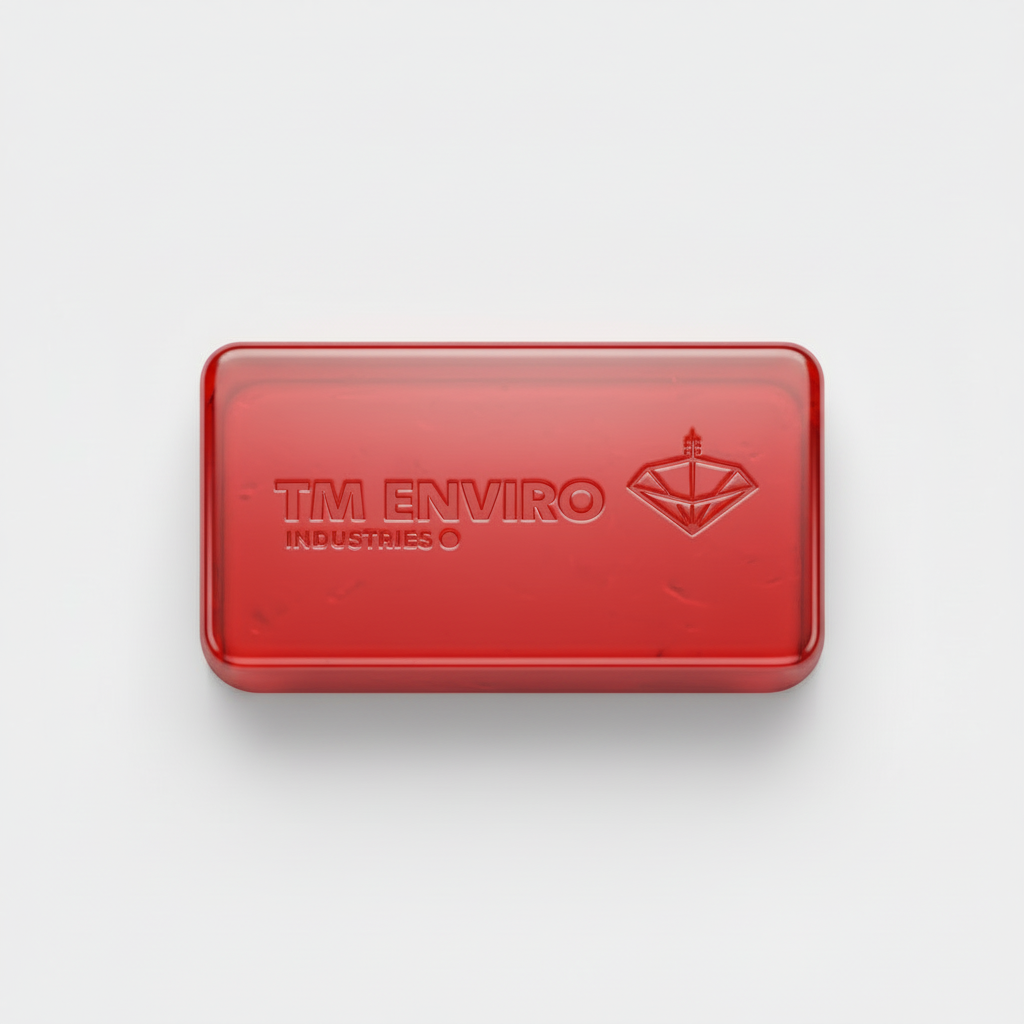
Polyethylene Terephthalate
Water bottles, soft drink bottles, food containers
Lightweight, transparent, recyclable
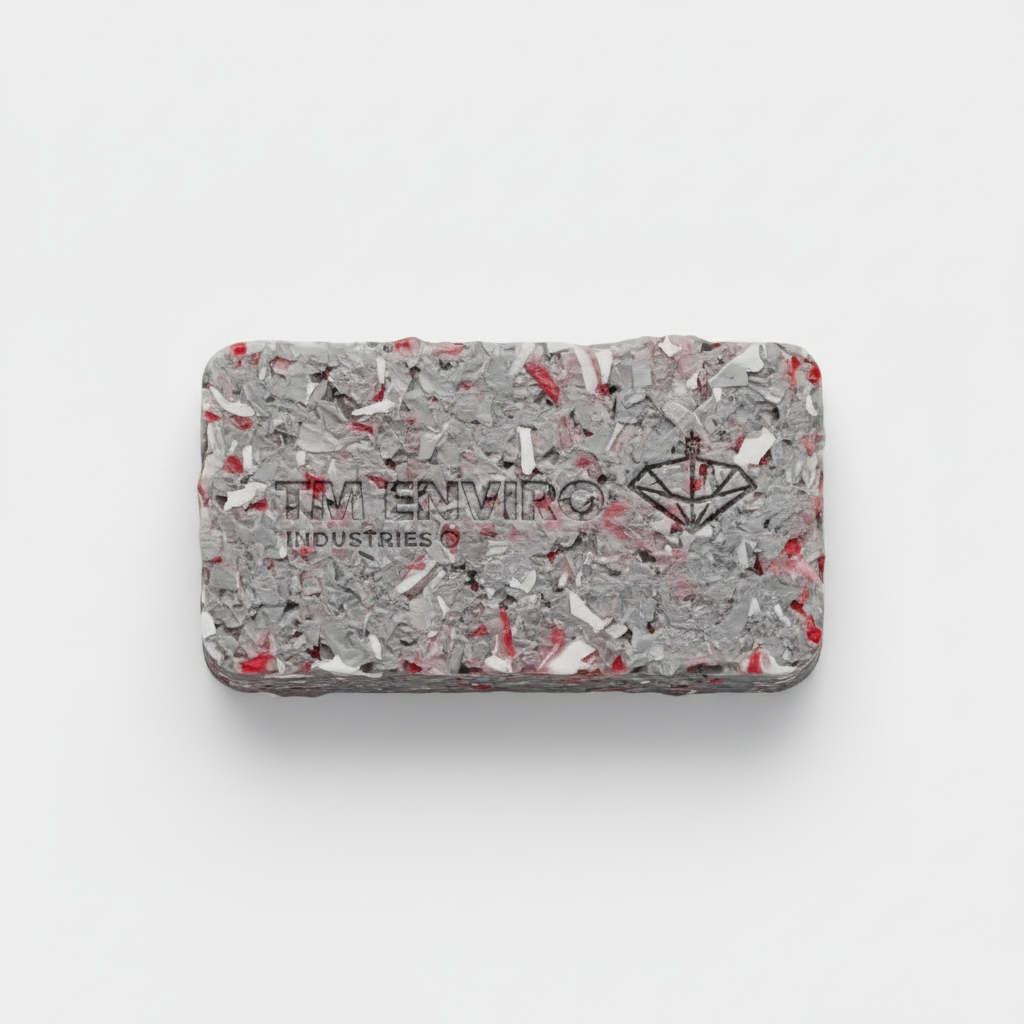
High-Density Polyethylene
Milk bottles, detergent containers, pipes
Strong, chemical-resistant, highly recyclable
Polyvinyl Chloride
Pipes, cables, flooring, medical tubing
Durable, weather-resistant, less recyclable
Low-Density Polyethylene
Plastic bags, shrink wrap, squeeze bottles
Flexible, lightweight, limited recycling
In Malaysia, commonly recycled plastics include PET (plastic bottles), HDPE (containers and drums), LDPE (plastic bags and films), PP (food containers and packaging), and rigid industrial plastics. These materials are widely collected from households, commercial, and industrial sources.
Yes. Plastic recycling activities in Malaysia are regulated by local authorities and the Department of Environment (DOE). Recycling facilities must comply with environmental regulations, licensing requirements, and proper handling of plastic waste, including import and export controls where applicable.
Plastic recycling helps reduce landfill waste, marine pollution, and greenhouse gas emissions. It supports Malaysia’s sustainability goals, conserves natural resources, and promotes a circular economy by turning plastic waste into reusable raw materials.
Businesses can manage plastic waste responsibly by segregating plastics at source, partnering with licensed recyclers, ensuring proper documentation, and adopting sustainable packaging practices. Working with certified recyclers ensures compliance and environmental protection.